
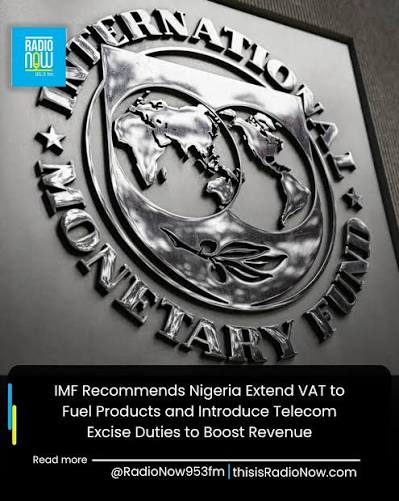

Nigeria’s economic challenges are often linked to recommendations from the International Monetary Fund (IMF), but analysts argue that the country’s policy direction is ultimately the responsibility of its own leaders.
While the IMF provides economic advice and policy recommendations to member countries, it does not have the authority to compel Nigeria to adopt any specific reforms. Decisions on issues such as fuel subsidy removal, exchange rate liberalisation, taxation, and fiscal policies are made by the Nigerian government.
The article argues that successive administrations have frequently attributed difficult economic reforms to IMF influence, even though they retain full control over whether to implement such measures.
It also notes that many of Nigeria’s long standing economic problems including weak institutions, policy inconsistency, poor revenue generation, and governance challenges predate recent IMF engagements and require home-grown solutions.
According to the analysis, meaningful economic recovery will depend less on assigning blame to external institutions and more on strengthening domestic policymaking, improving accountability, and implementing reforms that address Nigeria’s unique economic realities.