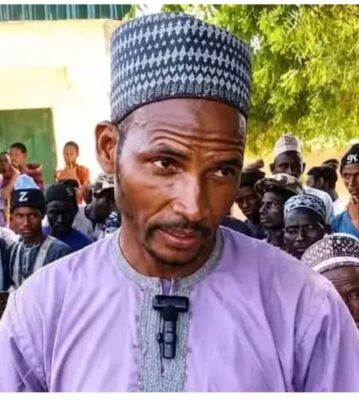

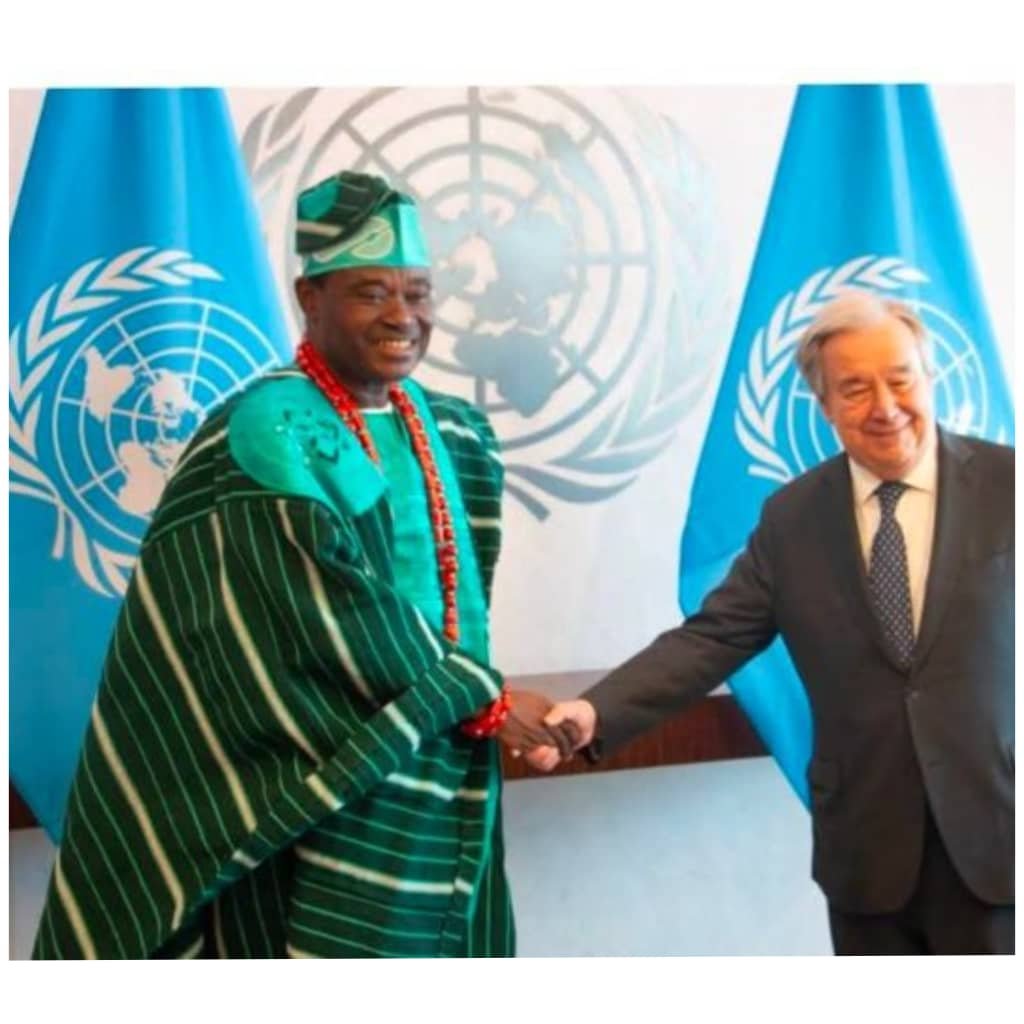

Nigeria’s Permanent Representative to the United Nations, Ambassador Jimoh Ibrahim, has called for a bold global debt-for-education swap initiative to enable developing countries invest more in education without undermining their debt obligations.
According to a statement issued by his media office in New York, Ambassador Ibrahim made the proposal at the UNESCO Conference on System Transformation and Resilience for Sustainable Development Goal 4 (SDG 4) in Paris, France, where global leaders gathered to explore sustainable financing for quality education.
Debt Burden “Eroding” Education InvestmentSpeaking at the conference, the UN envoy said the growing debt burden on developing nations was steadily eroding investments in education, as governments were increasingly compelled to channel scarce resources to debt servicing rather than building schools, recruiting teachers, expanding access to learning and improving educational infrastructure.
He noted that many developing countries now spend more on servicing debts than on education, a trend he described as a major threat to achieving SDG 4, which seeks to ensure inclusive and equitable quality education for all.
According to Ibrahim, no fewer than 113 countries, representing a combined population of over six billion people, are affected by the worsening debt crisis, significantly limiting their fiscal capacity to invest in human capital development.
He also raised concern over the declining level of development assistance from advanced economies, noting that shrinking global education financing had compounded the challenges facing low and middle income countries.
Proposed Framework: Suspend Interest, Redirect to SchoolsTo address the challenge, Ibrahim proposed a debt-for-education swap framework that would allow debtor nations to continue repaying the principal component of their loans while suspending interest payments.
The suspended interest, he suggested, should instead be redirected to finance education projects and strengthen national education systems.
He explained that such a financing model would give countries like Nigeria the fiscal space to rehabilitate schools, modernise universities, expand digital learning infrastructure, promote research and innovation, and improve access to quality education without defaulting on existing debt commitments.
Ibrahim warned that with some countries committing as much as 70 per cent of government revenues to debt servicing, meaningful progress towards SDG 4 would remain difficult unless the international community embraced innovative financing mechanisms.
“The world cannot continue to mortgage the future of our children to service debt. We must create a new global financing model that allows nations to honour their debt obligations while investing in education,” he said. “Suspending interest payments and redirecting them to schools, universities and learning infrastructure is a practical pathway to achieving Sustainable Development Goal 4.
“He added that education remains the most sustainable investment any nation can make, stressing that redirecting resources currently lost to debt interest into classrooms, research, innovation and skills development would create more prosperous, resilient and peaceful societies.
UNESCO: 113 Countries Now Spending More on Debt Than EducationThe UNESCO conference brought together ministers, development partners, multilateral institutions and education stakeholders from across the world to review progress on SDG 4 and examine innovative approaches to financing education.
UNESCO has warned that 113 countries now spend more on debt servicing than on education, while global development assistance for education is projected to decline significantly between 2023 and 2027, further widening the financing gap confronting developing nations.