

The Economic Community of West African States (ECOWAS) has reaffirmed its commitment to launching the ECO single currency in 2027, describing the initiative as a major milestone for regional economic integration, trade expansion and sustainable development across West Africa.
The decision was announced during the 69th Ordinary Session of the ECOWAS Authority of Heads of State and Government, held in Lungi, Sierra Leone, where regional leaders reviewed progress on economic, security and governance issues.
ECO Currency Remains on TrackAccording to the summit’s final communiqué, the ECO will initially be introduced in member states that meet the agreed economic convergence criteria. Countries that do not meet the requirements by 2027 will receive support to join the regional currency at a later stage.
ECOWAS also confirmed that the name “ECO” has been officially registered with the African Intellectual Property Organisation and plans are underway to secure trademark protection through additional regional and international bodies.
Regional leaders expressed confidence in the bloc’s economic outlook for 2026, citing improving inflation rates, lower debt-to-GDP ratios and stronger current account balances despite ongoing fiscal challenges.
Security and Counterterrorism The Authority expressed concern over rising insecurity across the Sahel and Lake Chad Basin, condemning terrorist attacks, kidnappings and violent crimes affecting several member states.
ECOWAS approved a revised roadmap for the ECOWAS Counterterrorism Brigade, with full operational capability expected by July 2027. Member countries were also urged to clear outstanding Community Levy contributions needed to finance the regional security force.
The organisation specifically condemned the continued wave of banditry and school kidnappings in northern Nigeria while commending President Bola Tinubu’s administration for efforts to rescue victims and strengthen security operations. Food Security and Regional Trade leaders also addressed food insecurity and rising fertiliser costs affecting agricultural production across West Africa. They called for faster implementation of the ECOWAS Rice Agenda and the Regional Rice Roadmap to reduce food imports and improve food security.
The summit reaffirmed its commitment to the ECOWAS Free Movement Protocol, stressing the importance of maintaining cross-border trade, regional mobility and economic cooperation. ECOWAS also warned that individual trade agreements signed outside the regional framework could weaken the Customs Union and instructed the Commission to coordinate common trade positions during international negotiations.
Infrastructure and Digital Development To boost regional competitiveness, ECOWAS directed the Commission to develop investment-ready projects in transportation, energy, digital connectivity and water infrastructure capable of attracting private and development financing.
The Authority welcomed progress on the African Atlantic Gas Pipeline, describing the project as critical to improving energy security, industrialisation and regional integration. On digital transformation, leaders endorsed new regional policies on data protection, cybersecurity, digital governance, electronic communications and open data while approving the establishment of a Regional Cybersecurity Coordination Mechanism.
Democracy and Regional CooperationThe summit adopted a declaration promoting greater gender parity in political leadership and encouraged member states to strengthen women’s participation in governance.
ECOWAS also urged Guinea-Bissau’s transitional authorities to ensure transparent elections, protect human rights and restore constitutional order, with Senegal appointed to facilitate dialogue. The leaders praised peaceful elections held in Benin, Guinea, Cabo Verde and Côte d’Ivoire and pledged continued support for countries preparing for upcoming elections.
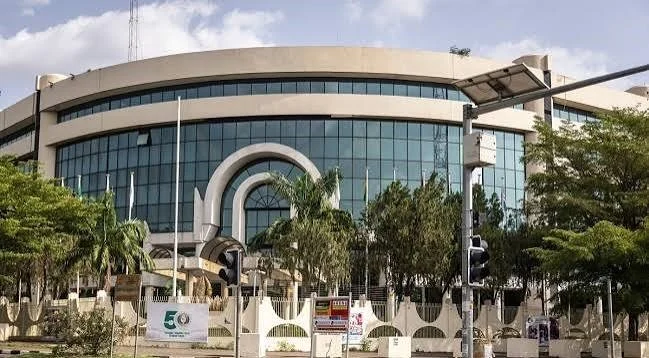
The summit concluded with appreciation to development partners, including China for constructing the new ECOWAS headquarters in Abuja, and confirmed several leadership appointments, including the election of Senegalese President Bassirou Diomaye Faye as Chairman of the ECOWAS Authority for a one-year term.